-

End-to-End Mandate Lifecycle Management
Digitally initiate, authenticate, register, and execute mandates with automated debit cycles and real-time tracking.
-
Multiple Authentication Modes
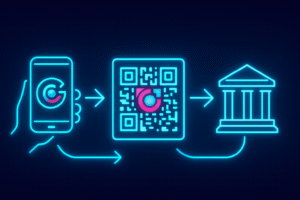
Enable mandate approval through Net Banking, Aadhaar OTP, Debit Card, QR-based initiation, and mobile-first authentication journeys.
-
High Debit Success Optimization Engine
Intelligent re-presentment and retry mechanisms improve collection efficiency and reduce missed payments.
-
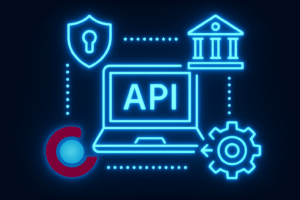
Unified API-First Architecture
Single integration layer supporting API, SDK, and SFTP file exchange for both modern and legacy banking systems.
-
Real-Time Webhooks & Status Tracking
Instant updates on mandate status, debit outcomes, returns, and settlement visibility.
-
Enterprise-Grade Security & Compliance
AES-256 encryption, role-based access control, audit logging, and compliance-ready infrastructure aligned with NPCI and RBI frameworks.
-
Fraud & Risk Monitoring Layer
Velocity checks, mandate validation, return code mapping, and anomaly detection mechanisms built into the platform.
-
Pre-Built Dashboard & MIS
Track mandates, collections, returns, and settlements through a centralized reporting interface.
-

Mandate Initiation
Mandates are initiated through API, web interface, LOS/ERP systems, or secure links shared via SMS/email.
-

Customer Authentication
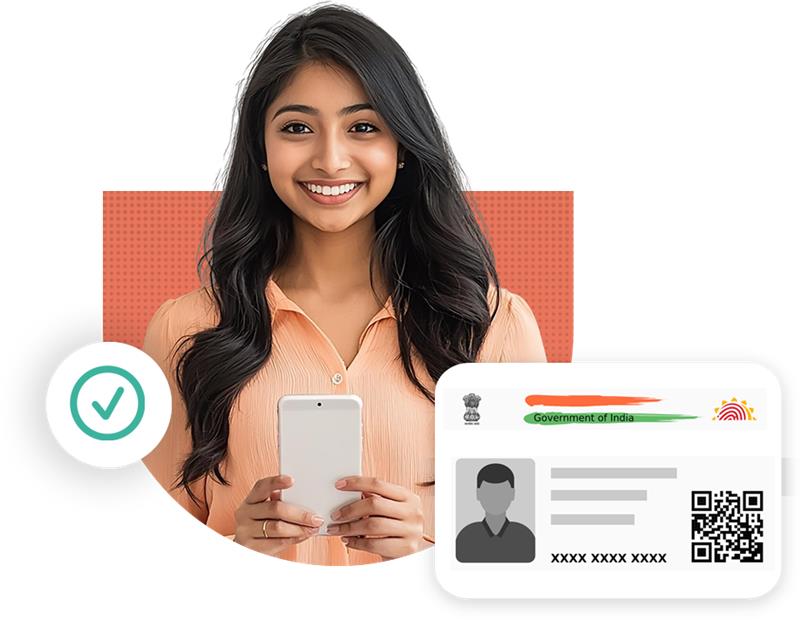
Customers authorize mandates using Net Banking, Aadhaar OTP, Debit Card, or assisted digital flows.
-

Mandate Registration
Once approved, a Unique Mandate Reference Number (UMRN) is generated and registered with NPCI.
-

Automated Debit Execution
On scheduled dates, debit files are processed automatically through the banking network.
-

Retry & Re-presentment Engine
Failed transactions are intelligently retried based on configurable rules to improve recovery.
-

Settlement & Reporting
Funds are settled into merchant accounts with real-time status updates, MIS reports, and reconciliation data.

- EMI collections for personal, auto, and business loans
- Microfinance repayment automation
- Gold loan & consumer durable finance collections

- Premium auto-debit setup
- Policy renewal collections
- Long-term recurring payment mandates
- SIP auto-debits
- Mutual fund recurring contributions
- Wealth management subscription plans

- Electricity, gas, and water bill payments
- Municipal recurring collections
- Tax and service fee automation

- OTT platforms
- SaaS billing cycles
- EdTech fee collection
- Membership fee automation
- Vendor recurring payment collections
- Rental and leasing payment models